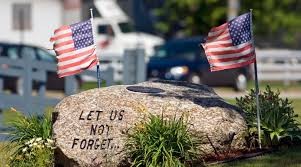
“Their sacrifice was the ultimate act of love for their country. May we always remember them.” — Unknown
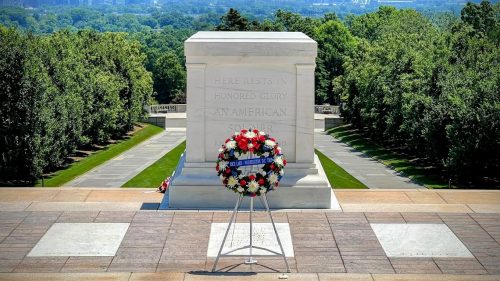

Killed in Action – France
January 5, 1895 – October 26, 1918
Bethany Baptist Church Cemetery, Tennille, GA
Killed in Action – France
March 7, 1896 – October 4, 1918
Bethany Baptist Church Cemetery, Tennille, GA
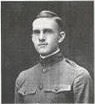
Killed in Action – Battle of Meuse – Argonne, France January 24, 1896 – November 1, 1918
Sandersville Old City Cemetery, Sandersville, GA
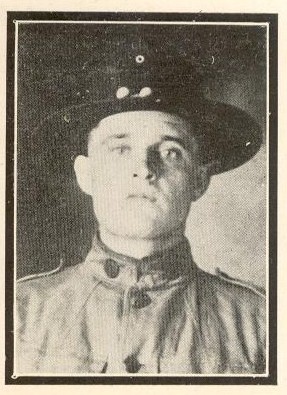
Killed in Action – France
March 18, 1889 – October 6, 1918
Jackson Baptist Church Cemetery, Riddleville, GA

Killed in Action – France
March 27, 1893 – October 6, 1918
Meuse – Argonne, France American Cemetery & Memorial

Killed in Action – France
May 27, 1894 – November 9, 1918
Sisters Baptist Church Cemetery, Sandersville, GA

Killed in Action – France
December 9, 1887 – July 15, 1918
Oise-Aisne American Cemetery & Memorial Picardie, France
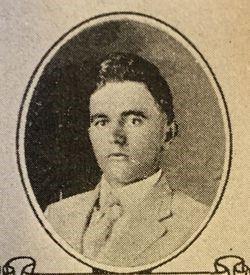
Killed in Action – France
May 15, 1896 – November 10, 1918
Piney Mount Church Cemetery
Killed in Action
July 27, 1892 – May 28, 1918
Eliam Cemetery, Melrose, FA
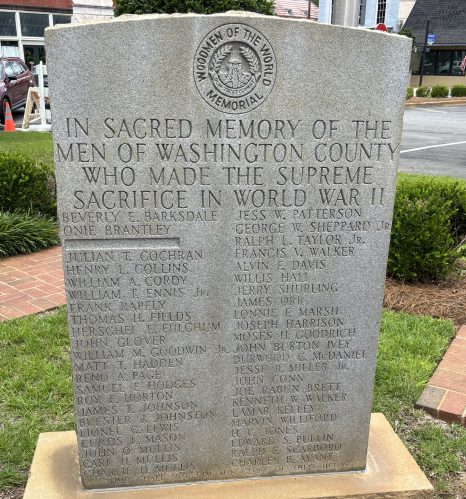

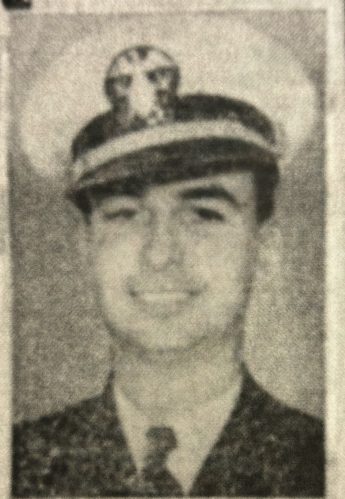


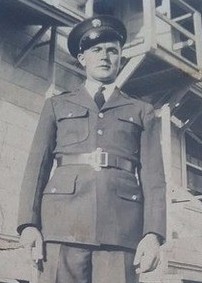
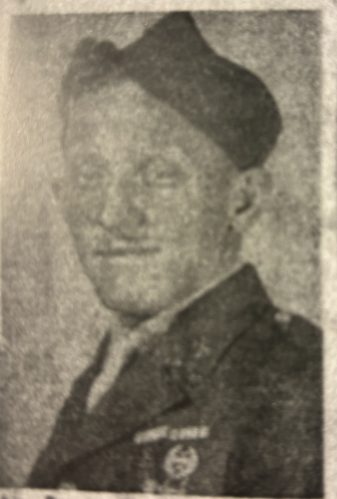

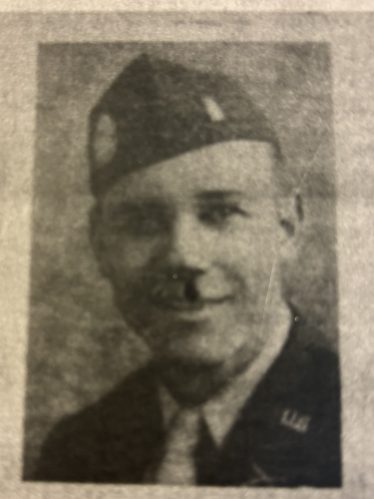
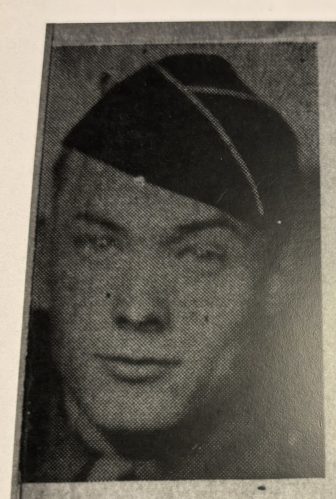
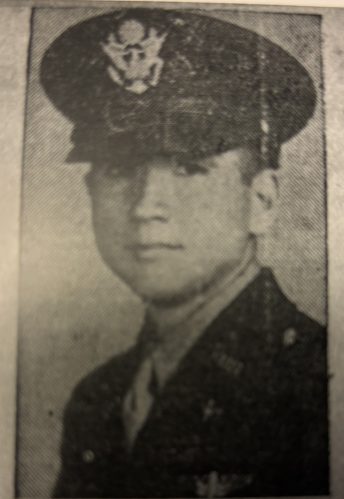
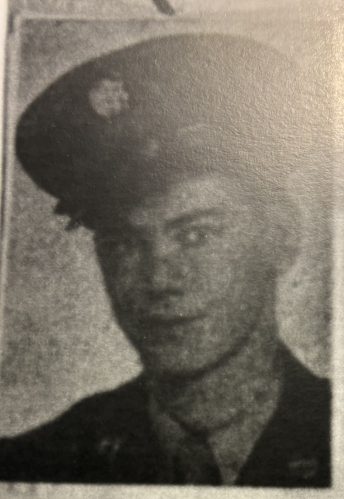
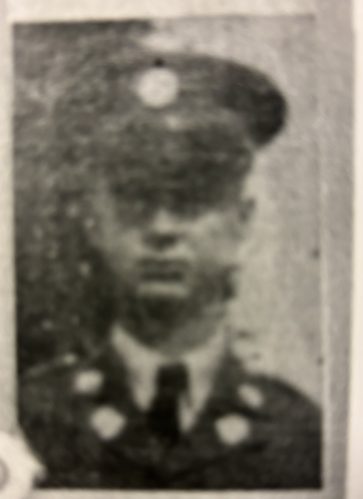
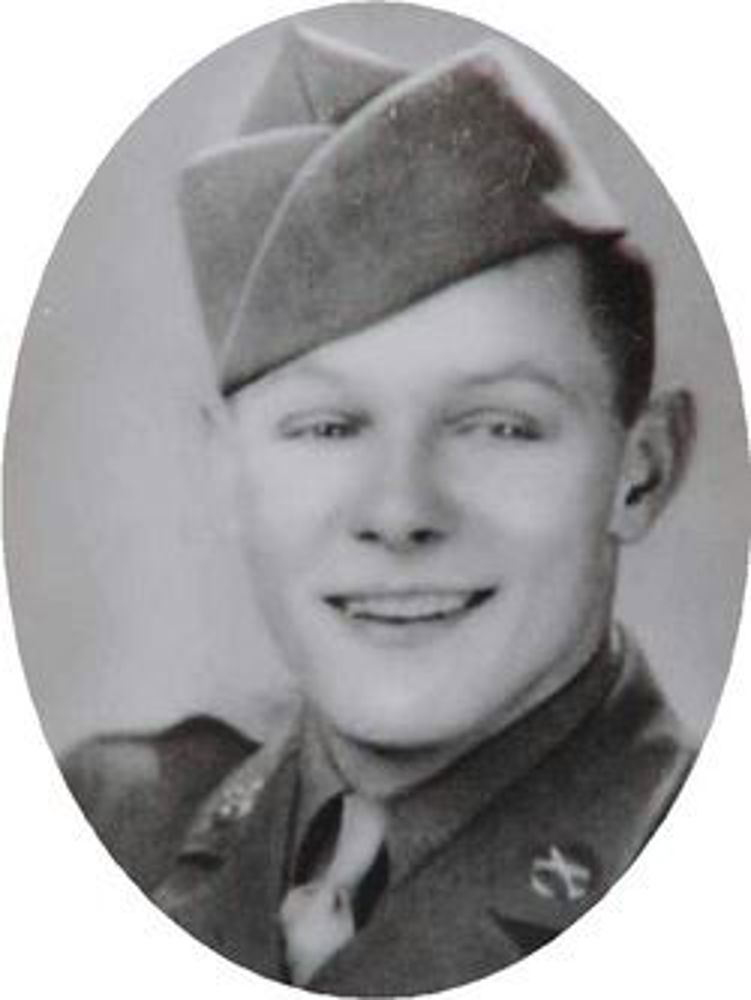
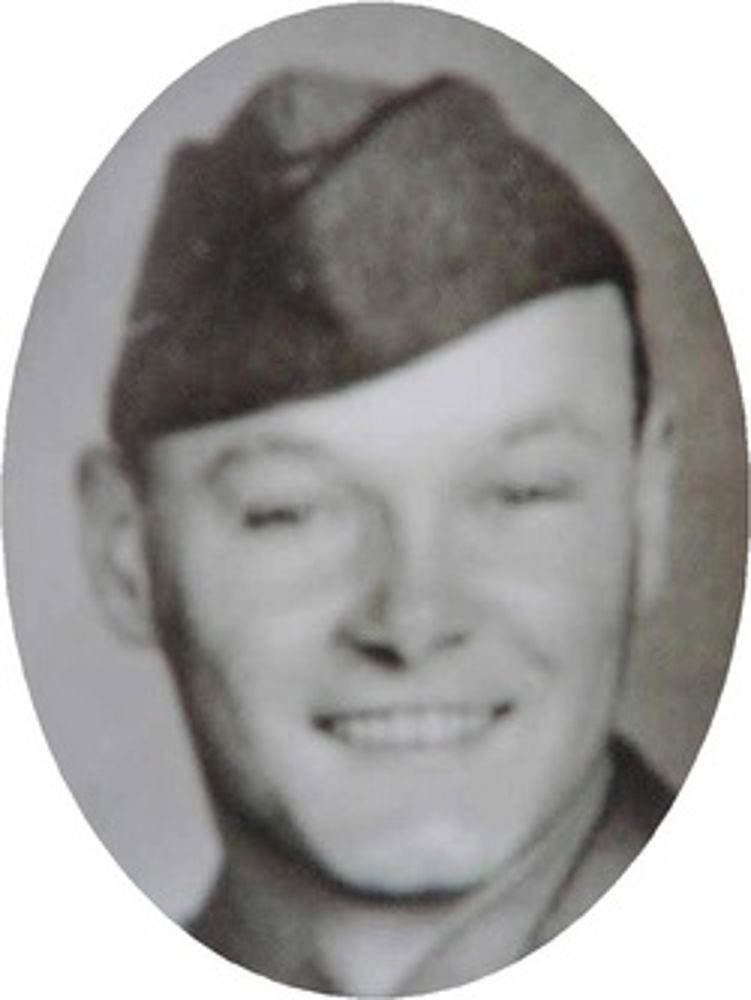

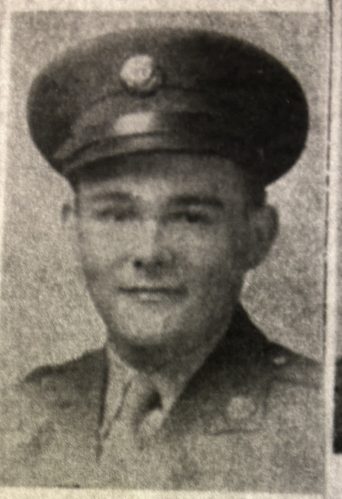
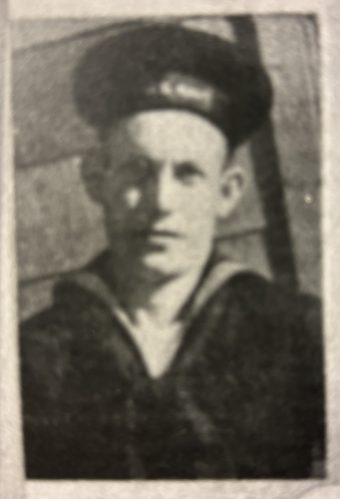
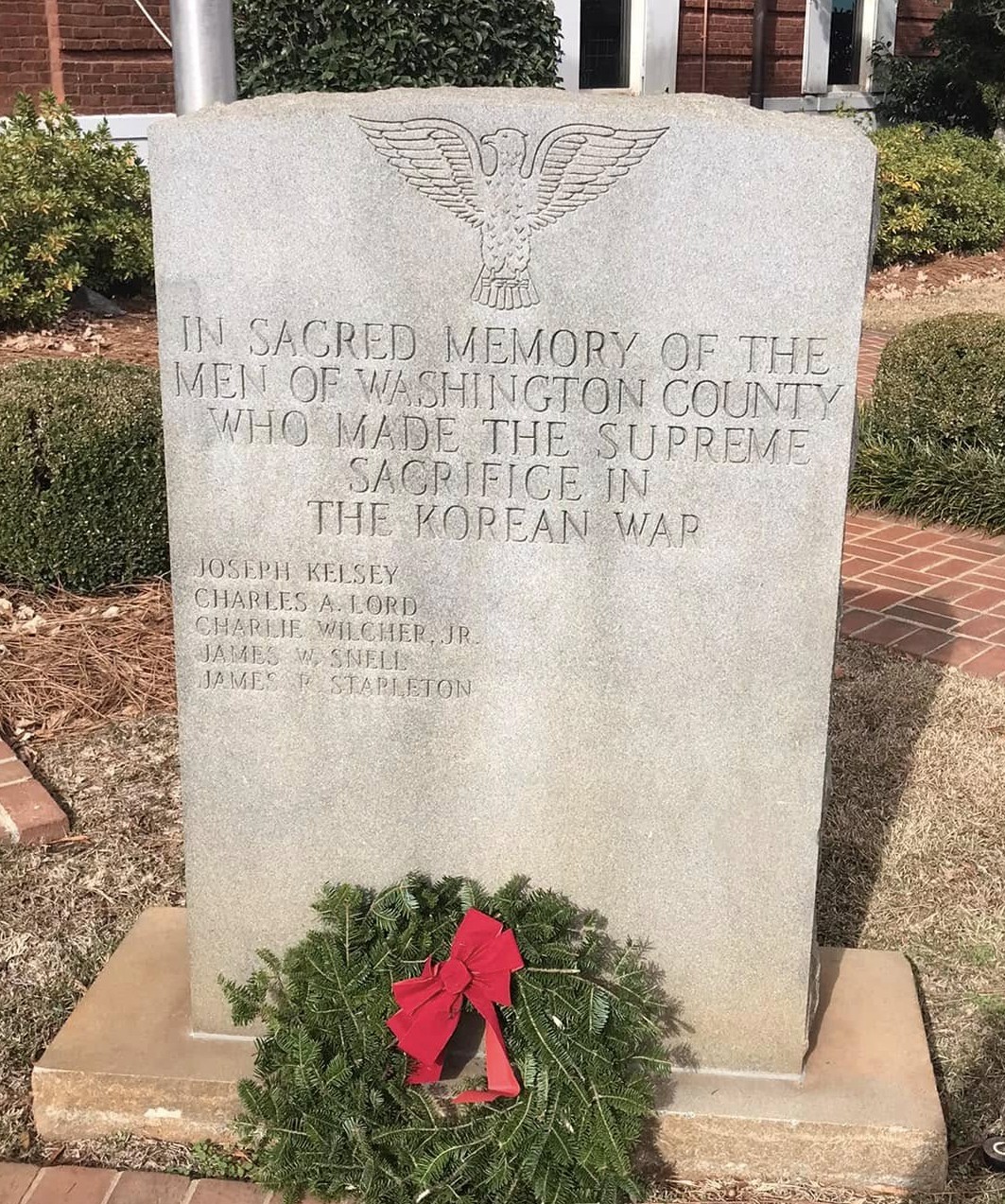
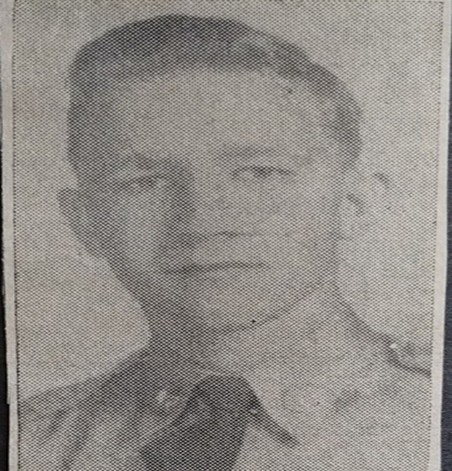
Killed in Action – Korea
May 17, 1933 – September 4, 1950
Brownwood Cemetery, Sandersville, GA
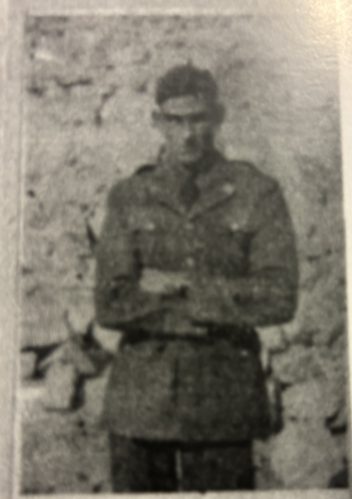
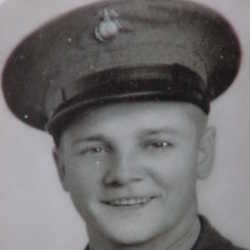
1930 – June 20, 1952

Killed in Action – North Korea July 9, 1919 – presumed dead on December 31, 1953 Arlington National Cemetery

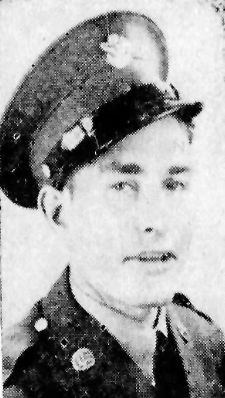
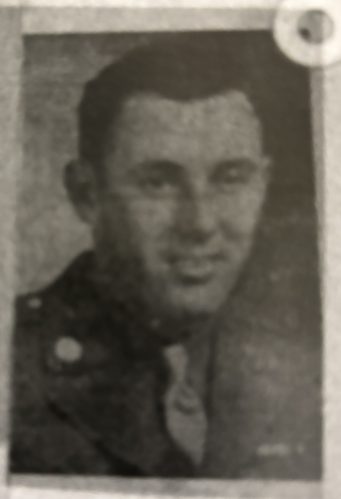
Killed in Action – North Korea
October 4, 1929 – November 30, 1950
Jacksonville National Cemetery, Jacksonville, FL
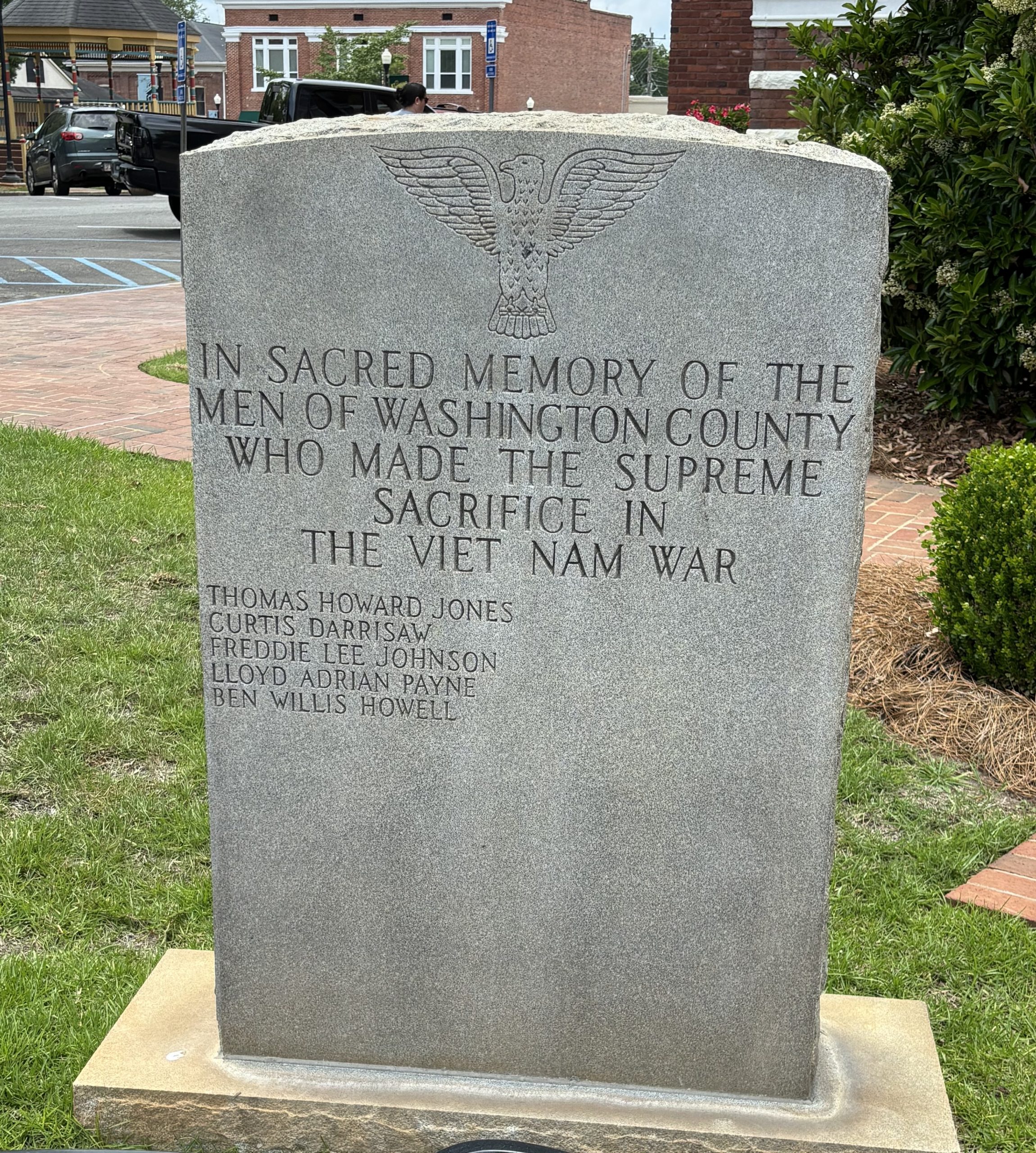
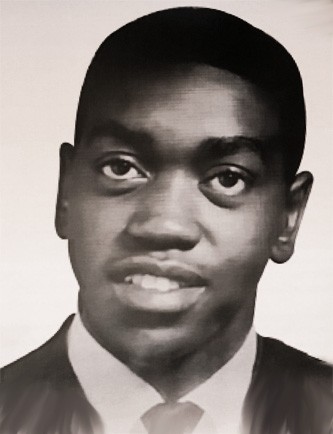
Killed in Action – Binh Duong Provice, South Vietnam
March 27, 1949 – February 23, 1969
Burnett Grove AME Church Cemetery, Wrightsville, GA

Killed in Action – South Vietnam
July 5, 1931 – May 28, 1968 Brownwood Cemetery, Sandersville, GA

Killed in Action – Khe Sanh – South Vietnam
February 27, 1948 – June 16, 1967
Henderson Grove AME Church Cemetery, Washington County, GA
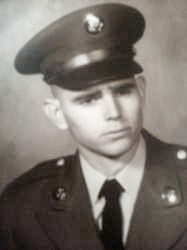
Killed in Action in – Binh Dinh Province, South Vietnam August 3, 1948 November 3, 1969
Zeta Cemetery, Tennille, GA
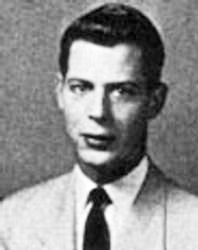
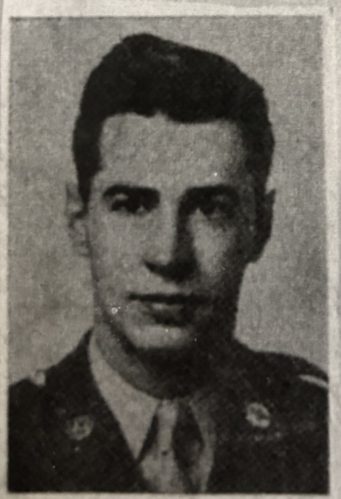
Killed in Action – Quang Tin Province, South Vietnam
May 30, 1933 – December 15, 1963
Brownwood Cemetery, Sandersville, GA
Bios
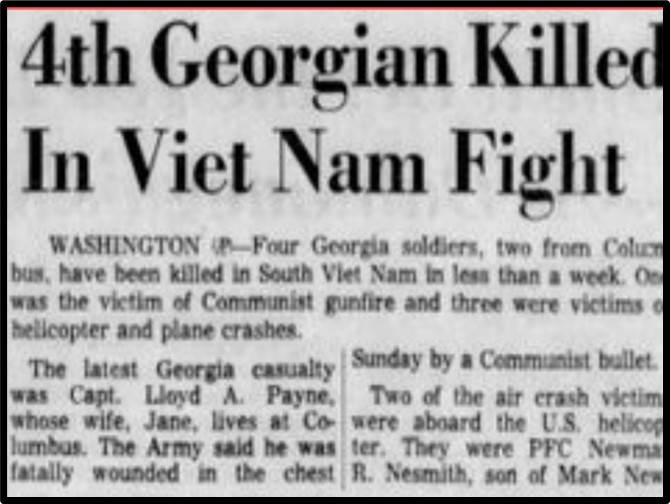
Captain Lloyd Adrian Payne
United States Army
Vietnam
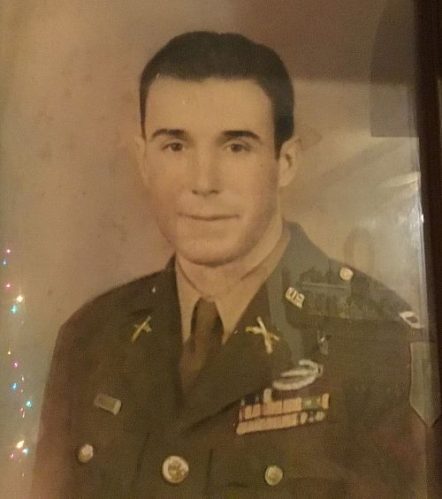
After graduation from Sandersville High School, Lloyd Payne attended and earned a Bachelor of Science degree from Clemson College, and was commissioned a second lieutenant in the United States Army on March 14, 1955. He eight years with assignments at Fort Benning, Georgia; Fort Polk, Louisiana; Berlin, Germany; and Fort Bragg, North Carolina where he completed the Military Assistance Training Course at the Special Warfare School. As a Captain, he was sent to Vietnam in August 1963 and became an advisor to the 2nd Infantry Division, Army of Vietnam in September 1963. On December 15, 1963 Captain Payne was Killed in Action in Quang Tin Province, South Vietnam. His body was recovered and returned home for burial in Brownwood Cemetery, Payne-Kay Plot, Section 17, Lot 6, Sandersville, GA.
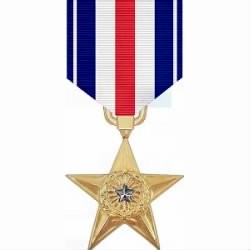
The President of the United States of America, authorized by Act of Congress, July 8, 1918 (amended by act of July 25, 1963), takes pride in presenting the Silver Star (Posthumously) to Captain (Infantry) Lloyd Adrian Payne, United States Army, for gallantry in action while engaged in military operations in Vietnam on the 14th and 15th of December 1963. As Senior Advisor to a Vietnamese Battalion, Captain Payne rendered invaluable assistance, advice, and encouragement to the Battalion during a military operation. When the Battalion had been subjected to sporadic sniper fire throughout the day, he advised the Battalion Commander to send out several patrols to locate the sniper; and although these efforts diminished the frequency of fire, it started again after the Battalion had closed in for the evening and continued throughout the night. During the entire operation, Captain Payne was at the side of his counterpart advising him in weapons placement, necessary patrol action, and personally checking perimeter security. As the Battalion elements were preparing to move out of their position on the following morning, they sustained heavy sniper fire from the north side of a ridge and, before they could take cover, heavy automatic weapons fire was received from both the north and south ridges. Despite the precarious position, Captain Payne continued to leave his protective cover and bravely moved from position to position offering assurance and advice to the Battalion Commander in coping with the situation. Although he was exposed to this automatic weapons fire, he completely disregarded his own personal safety and continued his advisory efforts until mortally wounded. Captain Payne’s conspicuous gallantry and unselfish actions are in the highest traditions of the United States Army and reflect great credit upon himself and the military service.
[Taken from CAPT Payne’s Silver Star citation]
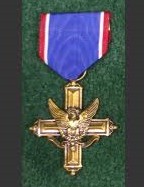
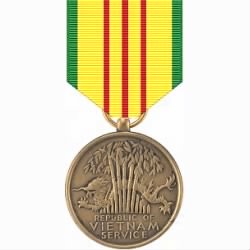
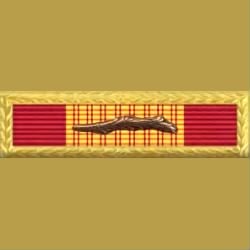
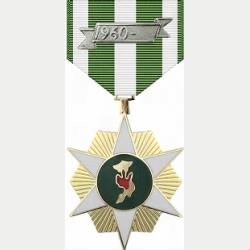
Prior to be deployed to Vietnam Captain Payne was trained in the skills of Parachutist (Basic), Combat Infantryman 1st Award, Infantry Shoulder Cord. He then received the service medals shown below.
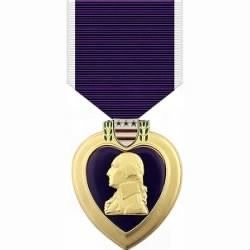
| Silver Star 1963 | Purple Heart 1964 | National Defense Service Medal 1964 |
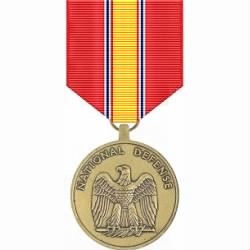
| Vietnam Service Medal 1964 | Vietnam Gallantry Cross Unit Citation 1964 | Republic of Vietnam Campaign Medal 1964 |
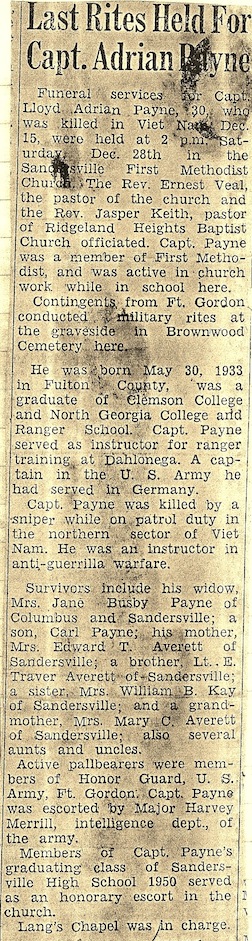
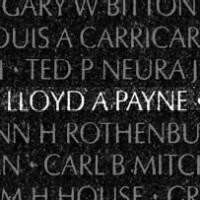
Captain Payne is remembered on the Vietnam Veterans Memorial Wall in Washington DC. His name is located on
Memorial Wall Location: Panel – 01E
Memorial Wall Location: Line – 38
Francis Veazy Walker
United States Army Air Forces
World War II
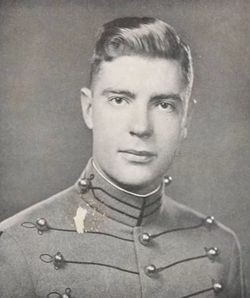
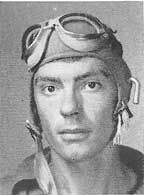
Francis Veazy Walker was born in Warthen, GA on October 10, 1918. He attended the United States Military Academy at West Point. After graduating in 1943, he served in the United States Army Air Forces as a 1st Lieutenant in the European Theater during World War II. 1st Lieutenant Walker was a member of the 15th Air Force, 98th Bombardment Group, 344th Bomb Squadron. He was piloting a B – 24 – H with nine other crewmen on June 9, 1944 that left from Fortunato Cesare Air Depot, Lecce Italy with the target of Munich, Germany’s bomb marshalling yards. His plane collided with another plane and all crew members were lost. Remains were never found.
From the World War II Flight Training Museum and 63rd AAF Flying Training Detachment website.
A navigator, John J. Felthaus, Jr., who was on the mission, described the situation as follows:
While returning from the target at 4110 N; 1720 E, at 1246 hours, at 6,000 feet, aircraft #42-94917-C flying number three position, first box, first attack unit, was in a mid-air collision with aircraft number 841-N, flying number 2 position, low box, third attack unit. Aircraft #42-94917-C lost approximately six to eight feet off of the left wing and immediately fell off into a left bank in a gradual descent. Our aircraft left the formation and followed the crippled plane down and circled the point of ditching, 4130 N; 1710 E. for forty minutes. Our limited gas supply necessitated our landing at Bari. When the plane ditched it disintegrated and we saw one man in the water, apparently alive but with no Mae West. Our plane dropped four Mae West’s and on our fourth circle of the wreckage, this man had disappeared. The spot was clearly marked with sea marker and a few oxygen bottles.
From Edward J. Dowling, a co-pilot on another plane in the mission, stated:
I saw aircraft #42-94917-C collide in mid air with aircraft number 841-N. The pilot of the crippled plane appeared to be trying to make shore but could not as the loss of the wing tip forced the plane in a continuous right circle and high airspeed to keep altitude and prevent spinning. The plane ditched at a good level but hit at a ten degree angle and skipped through the water and disintegrated. It hit the water very well and did not bounce. I saw one man swimming in the water. He did not seem to have on a Mae West.
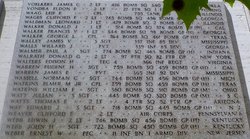
1st Lieutenant Walker is memorialized at Florence American Cemetery and Memorial Florence, Città Metropolitana di Firenze, Toscana, Italy on the Tablets of the Missing.
1st Lieutenant Walker received these medals for his bravery and sacrifice.